22 September 2026
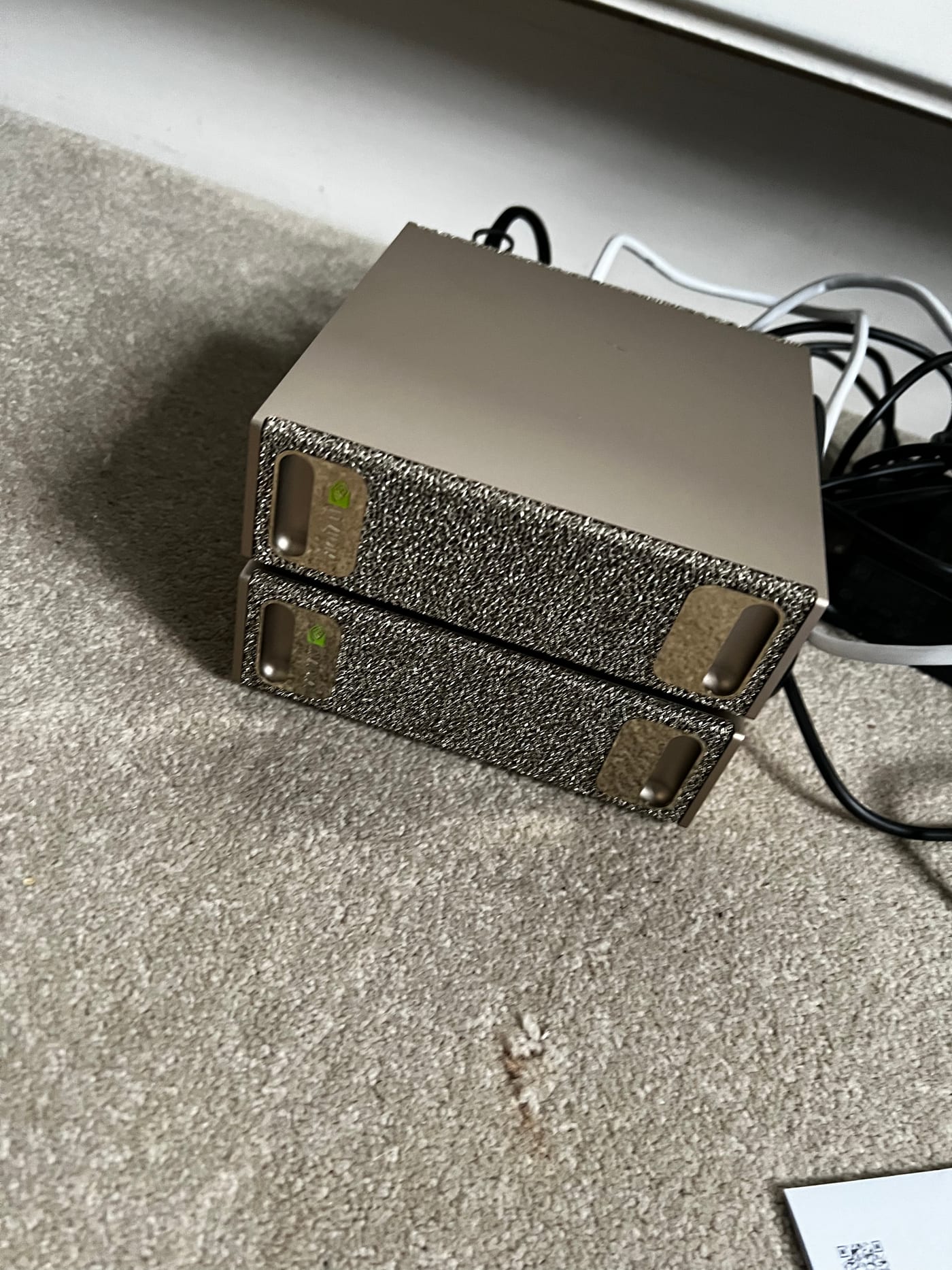
That photo, as PixelTrace remembers it. 64 answers, each a 1 or a 0. Keep reading to see where they come from.
We're introducing PixelTrace. Sellers take their listing photos in the PCIFIC camera, and we keep a dated record of each one. Paste any PCIFIC or eBay listing link into our free checker to see whether its photos match a record, and whose listing they came from. We think every photo of something for sale should be checkable. This is where that starts.
The problem
Buying second-hand online means trusting a photo of something you can't hold. The people running scams know that.
The photo is usually where the deception starts. Which? tells buyers that stock photos are a warning sign,3 banks tell them to reverse image search what they're about to buy,4 and AI has made a convincing fake cheaper still: 74% of people in a Santander test couldn't pick out an AI-generated advert.5 PixelTrace turns the photo from the weakest part of a listing into the evidence.
How it works
PixelTrace works in layers. Each one catches what the one before it misses.
Taken in the PCIFIC camera
Sellers photograph the item in the PCIFIC camera on their phone. Each photo is dated and tied to the listing it was taken for, so one seller's photos can't simply be relisted by another.
A note inside the file
Each photo carries a short note: when it was taken, for which listing, and a code anyone can look up. It's a helpful label, and like any label it can come off, so PixelTrace never relies on it alone.
- PCF code
- PCF-IMG-G9GB-XKX6
- Taken
- 22 September 2026, 14:02
- Listing
- NVIDIA DGX Spark, two units
- Check it at
- pcific.co.uk/image-verification
Fingerprint: the exact file PCIFIC stored.
The note is intact. PixelTrace reads it, then makes sure the photo itself agrees, because a note can be copied onto another picture.
A fingerprint only PCIFIC keeps
The real proof is a fingerprint of the picture itself, kept in PCIFIC's records rather than in the file. To make it, the photo is shrunk to a small grid of grey squares, and each square is asked one question: are you brighter than your neighbour? The answers, 64 ones and zeros, are the fingerprint.
Everyday changes like resizing, compressing or brightening leave the answers almost untouched. Try it:
Loading the photo…
PixelTrace also finds photos that have been turned or mirrored.
A code for every set of photos
Each photo session gets a PCF code. It's written into the photos straight away but stays private until the listing is submitted, so nobody can look up photos that were never listed.
Not found
The code already exists, but looking it up returns nothing until the listing is submitted.
What a check shows
A check never gives a bare yes or no. It says how sure it is, and why.
- 100% verifiedThe exact file the seller took, or a note the photo's own fingerprint confirms.
- We believe this is the same photoAlmost identical: usually a resized or re-saved copy.
- This looks like a verified photoFound only after undoing an edit. Worth asking the seller for the original.
- No PCIFIC record foundNot taken with PixelTrace. That doesn't make it fake.
Most listings elsewhere won't have a record yet. If a check names a different seller from the one you're buying from, don't pay.
For platforms and partners
Much of the cost of a bad photo arrives after the sale, in disputes, returns and claims. PixelTrace gives whoever settles them something they rarely have: a verified record of the item as it was listed.
EU rules now require AI-generated images to carry a machine-readable mark.9 PixelTrace works from the other side: it records what's real.
Disputes and returns. When a buyer says an item isn't as described, the listing's record shows what the seller photographed and when.
Claims evidence. A photo sent in as evidence can be checked against the record, so a reused listing photo shows up for what it is.
Across platforms. Checking eBay links works today. Building the check into a partner's own disputes or claims process is the next step.
A record that compounds. Every PixelTrace listing adds a dated, verified record of a real item. The more there are, the more copied photos a check can catch.
How it performed
We tested PixelTrace on 83 real photos of tech, from iPhones and MacBooks to a Nintendo Switch and NVIDIA DGX Sparks. Half were listed through the real system. We then edited each listed photo 29 different ways and checked all 986 copies the way a buyer would.
- 95%of copies with everyday edits traced to the right listing: resized, compressed, filtered or watermarked
- 86%of all 986 edited copies traced, including heavy edits
- 0.4%of edited copies pointed at a different listing
- 2 of 210checks of photos that were never listed raised a false alarm
Some heavily edited copies aren't traced. Where we had to choose, we tuned PixelTrace to miss a photo rather than point at an innocent seller.
One run on 22 September 2026. Eight further matches among the never-listed photos were the same picture we had listed under another file name, which is the right answer.
What we keep
PixelTrace keeps only what it needs to answer a check.
Kept: the photos a seller takes, their fingerprints, when they were taken, and which listing they belong to.
Never kept: photos buyers check and images pulled from listing links. They're compared, then discarded.
Cleared automatically: photos from sessions that never became a listing, and photo files two weeks after a listing ends. Fingerprints stay, so reused copies are still caught.
Yours to remove: deleting your PCIFIC account deletes all of it.
Getting started
- Buying
Paste any PCIFIC or eBay listing link into the checker before you pay. It's free, takes seconds and needs no account.
Check a listing - Selling
If someone copies your photos onto another listing, a buyer's check names you, not them. Free for every PCIFIC seller.
List with PixelTrace - Coming from eBay
The checker reads eBay listings through eBay's official tools and never keeps the photos it checks.
Check an eBay listing - Platforms and insurers
Bring PixelTrace checks into your own disputes, returns or claims process.
Talk to us
What it doesn't prove
It records the photos, not the item. A verified photo shows the seller photographed the item in the PCIFIC camera. It doesn't prove the item is genuine, that they own it, or that it's still in that condition.
It's honest about doubt. When a photo has been changed a lot, PixelTrace says it only looks like a verified photo, or says nothing, rather than guess.
What comes next
The internet has spent years building better ways to spot fakes. PixelTrace starts from the other end: a record made the moment a real photo is taken, that anyone can check from anywhere.
Today that record covers PCIFIC listings, and the checker reads eBay links. Next, it travels: into the disputes teams, claims desks and marketplaces that decide every day whether a photo can be trusted. Every listing made with PixelTrace makes the next check stronger.
We think checking a photo will become as ordinary as the padlock in your browser. This is the first one.
Sources
- Annual Fraud Report 2026, UK Finance, 15 June 2026.
- Urgent consumer warning as TSB finds over a third of adverts on Facebook Marketplace could be scams, TSB, 18 January 2024.
- Scam ads slipping through the net too easily on second-hand marketplaces, Which?, 12 December 2024.
- The Santander Quarterly Scamtracker, Santander UK, 1 April 2026.
- All AI want for Christmas: Santander creates fake AI adverts, Santander UK, 25 November 2025.
- Aviva stops record levels of claims fraud as scams become more sophisticated, Aviva, 8 June 2026.
- AI-powered refund abuse and dispute fraud, Ravelin, 19 January 2026.
- A third of buyers have experienced a scam on popular second-hand marketplaces in the last two years, Which?, 9 May 2024.
- Quick facts: transparency rules for AI systems, European Commission, 29 July 2026.